
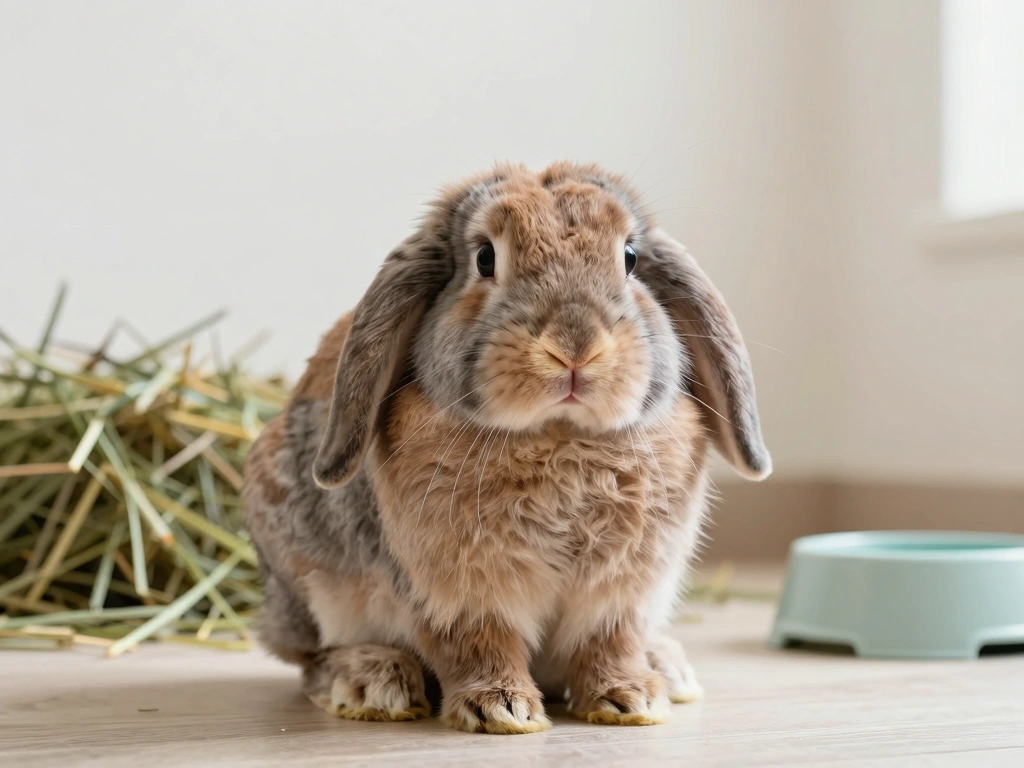
Defining Rabbit Gut Stasis: Causes and Mechanisms
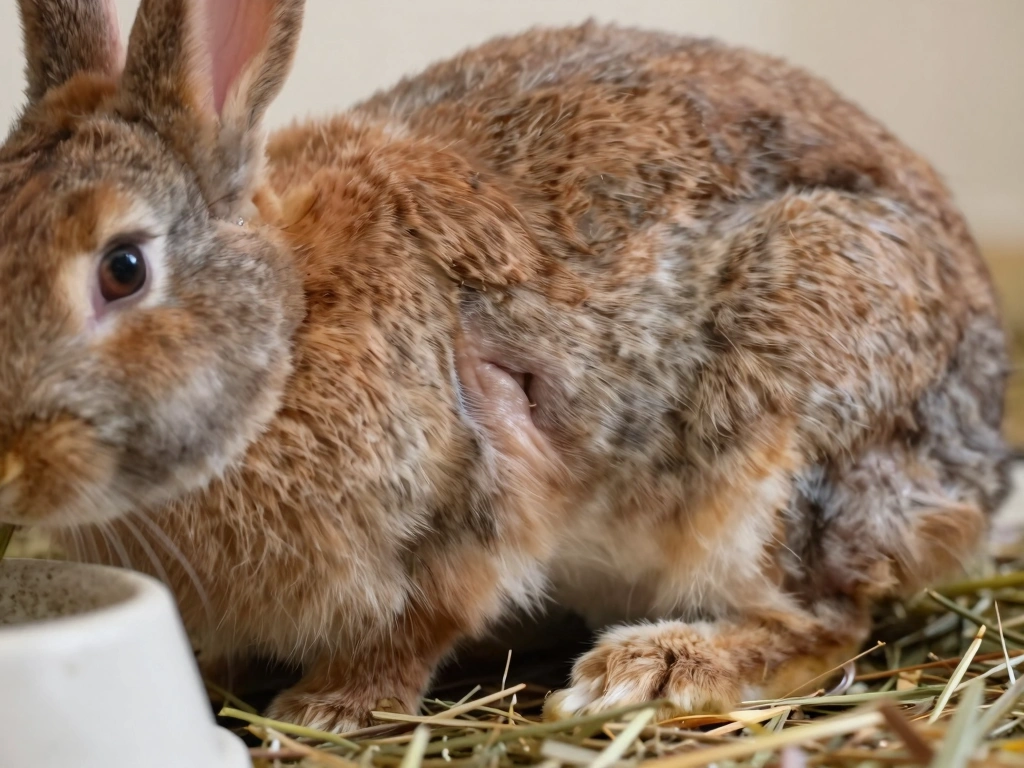
Understanding the Digestive System of Rabbits
The digestive system of rabbits is uniquely adapted to their herbivorous diet, primarily consisting of high-fiber grasses and vegetables. Unlike many other mammals, rabbits rely on a continuous flow of food through their digestive tract, as their gut is designed for fermentation. The digestive process involves multiple stages: food intake, fermentation in the cecum, and the excretion of waste. A rabbit's gut microbiota plays a crucial role in breaking down fibrous materials, which in turn produces essential nutrients.
The entire digestive system is a delicate balance that relies heavily on a consistent intake of fiber. When this balance is disrupted, it can lead to serious health issues such as gut stasis, a condition characterized by a slowdown or complete cessation of intestinal motility.
Common Triggers of Gut Stasis in Rabbits
Several factors can trigger gut stasis in rabbits. Understanding these triggers is crucial for prevention:
- Dietary Changes: Sudden changes in diet, particularly the introduction of low-fiber foods, can upset the gut flora and lead to stasis.
- Stress: Stressors such as loud noises, changes in environment, or new pets can negatively affect a rabbit's digestive system.
- Illness: Underlying health issues such as dental problems, infections, or gastrointestinal diseases can predispose rabbits to gut stasis.
- Dehydration: Insufficient water intake can lead to hard feces and further impede gut motility.
The Role of Diet in Rabbit Digestive Health
A rabbit's diet is vital for maintaining digestive health. High-fiber hay, such as Timothy hay, should make up the majority of their diet, supplemented by fresh vegetables and limited pellets. Ideally, rabbits should consume about 80% hay, 15% vegetables, and only 5% pellets for optimal health.
For example, a diet lacking in hay can lead to a decrease in gut motility, increasing the risk of gut stasis. A rabbit that consumes primarily pellets, which are low in fiber, may experience digestive issues, including gut stasis. Therefore, it is imperative to ensure that rabbits have constant access to high-quality hay and fresh water.
Recognizing the Symptoms of Gut Stasis
Behavioral Changes as Early Indicators
One of the first signs of gut stasis is a change in behavior. Rabbits are known for their energetic and playful demeanor, so any decrease in activity can be alarming. Early indicators include:
- Reduced Appetite: A rabbit that suddenly shows disinterest in food or refuses to eat should be closely monitored.
- Isolation: If a normally social rabbit starts to isolate itself from other pets or humans, this could indicate discomfort.
- Restlessness: Some rabbits may exhibit signs of restlessness or agitation when they are in pain or uncomfortable.
Physical Signs of Distress in Rabbits
Physical symptoms of gut stasis can manifest in various ways:
- Abdominal Distension: A bloated abdomen can indicate gas buildup due to slowed digestion.
- Hard Feces or Absence of Feces: A lack of fecal droppings or the presence of small, hard pellets can signify a serious issue.
- Grooming Changes: Rabbits may stop grooming themselves when they are unwell, leading to a disheveled appearance.
- Teeth Grinding: Rabbits may grind their teeth when in pain, a clear indicator of distress.
When to Seek Veterinary Help
It is imperative to seek veterinary help immediately if you notice any combination of the above symptoms. Delaying treatment can escalate the problem, making recovery more difficult. A vet with experience in treating rabbits can perform necessary examinations and tests to diagnose the underlying cause of gut stasis and initiate appropriate treatment.
The Consequences of Untreated Gut Stasis
How Gut Stasis Leads to Severe Dehydration
If left untreated, gut stasis can lead to severe dehydration, a critical condition for rabbits. As the digestive system slows down, the absorption of water also diminishes. Without adequate hydration, a rabbit can quickly become dehydrated, exacerbating the stasis and leading to further complications.
Symptoms of dehydration to watch for include:
- Sunken eyes
- Dry mouth and gums
- Skin tenting when the skin is pulled away from the body
Rabbits can become critically dehydrated within 24 hours if they are not eating or drinking, making rapid intervention essential.
The Risk of Bacterial Overgrowth and Toxemia
As the gut becomes stagnant, harmful bacteria can proliferate, leading to bacterial overgrowth. This condition can produce toxins that enter the bloodstream, resulting in a state known as toxemia. The symptoms of toxemia can include:
- Fever
- Lethargy
- Severe abdominal pain
Toxemia can lead to organ failure if not addressed promptly, making it a life-threatening consequence of untreated gut stasis.
Potential for Organ Failure and Death
In severe cases, if gut stasis is not treated, the cumulative effects of dehydration, bacterial overgrowth, and toxemia can result in organ failure. The liver and kidneys are particularly vulnerable, as they become overwhelmed by the toxins produced during this process. Ultimately, untreated gut stasis can lead to death within a few days if intensive veterinary care is not provided.
Treatment Options for Rabbit Gut Stasis
Immediate Care and Veterinary Interventions
Immediate veterinary intervention is crucial for rabbits suffering from gut stasis. Treatment may include:
- Fluid Therapy: Administering subcutaneous or intravenous fluids helps rehydrate the rabbit and restore electrolyte balance.
- Medications: Veterinarians may prescribe medications to stimulate gut motility, such as metoclopramide or cisapride.
- Pain Management: Pain relief is essential to help the rabbit feel more comfortable and encourage eating.
Dietary Adjustments for Recovery
Once the immediate crisis has been managed, dietary adjustments play a significant role in recovery:
- High-Fiber Hay: Continue to provide unlimited access to high-fiber hay to promote gut motility.
- Fresh Vegetables: Introduce soft leafy greens gradually to encourage eating.
- Pellet Restrictions: Limit pellet intake during recovery to prevent further digestive issues.
Long-term Management Strategies
Preventing a recurrence of gut stasis is essential for a rabbit's long-term health. Long-term management strategies may include:
- Regular Vet Check-ups: Schedule regular veterinary visits to monitor dental health and overall well-being.
- Consistent Diet: Maintain a consistent, high-fiber diet and avoid sudden changes.
- Environmental Enrichment: Provide a stimulating environment to reduce stress and encourage natural behaviors.
Preventative Measures to Protect Rabbit Digestive Health
Establishing a Balanced Diet for Rabbits
The foundation of good digestive health in rabbits is a balanced diet rich in fiber. Owners should prioritize:
- Quality Hay: Offer a variety of hays such as Timothy, Orchard, or Meadow hay to encourage chewing and digestion.
- Fresh Vegetables: Incorporate a wide range of safe vegetables like romaine lettuce, cilantro, and bell peppers.
- Limited Pellets: Provide only a small portion of high-quality pellets, ensuring they are low in protein and high in fiber.
Regular Health Monitoring and Check-ups
Proactive health monitoring is vital. Pet owners should regularly check their rabbits for any signs of distress and ensure they are eating and drinking adequately. Routine veterinary check-ups can help catch dental issues or other health problems before they escalate into more severe conditions.
Creating a Stress-free Environment for Rabbits
Reducing stress is crucial to maintaining digestive health. Here are a few tips for creating a stress-free environment:
- Safe Space: Ensure rabbits have a quiet, comfortable space where they feel secure.
- Social Interaction: Spend time with your rabbit and consider bonding them with another compatible rabbit to reduce loneliness.
- Avoid Loud Noises: Keep the rabbit's environment free from sudden loud noises or chaotic activities that may induce stress.